Serving up veggies in all of our products!

Showing posts with label healthy food for kids. Show all posts

Monday, August 1, 2016

One Last Hurrah!

One last hurrah before back-to-school in a few weeks.

Camping with kids can be so much work and preparation but completely worth it for the memories, family time and to just unplug for a few days. If getting to a campsite is not possible, camping can simply mean sleeping under the stars in your own backyard. Dreams are not limited by distance, go as far as your dreams can take you!

Here is a great bedtime Hot Coconut Cocoa recipe perfect for the camping stove or over the fire!


Bedtime Hot Coconut Cocoa: 
-4 cup of coconut milk
-2 tablespoons of honey
-1/2 of vanilla bean, using the scraped insides
-6 oz of premium dark or milk chocolate, broken into small pieces
-water

Heat coconut milk in a medium saucepan over a medium-low flame. Add the honey and vanilla and stir until completely combined. Add the chocolate and take off of the burner or raise up from the flame. Stir constantly until melted. If you are using a camping stove, you may need to lower the heat and put the saucepan back on the flame if the chocolate needs more heat to melt. If the hot chocolate seems too thick, add water to desired thickness.

Thursday, May 3, 2012

Peas Pointers by Melanie Silverman

We have teamed up with a pediatric registered dietitian who thinks we are doing a great job getting veggies into your kids!  Melanie R. Silverman MS, RD, IBCLC, is not only a pediatric registered dietitian and board certified lactation consultant, she is also the owner of Feeding Philosophies (www.feedingphilosophies.com) and has loads of tips and tricks to help your kids eat the way they should, from infancy through their adolescent years.

Melanie's tips will now be called Peas Pointers and she plans to guest write for our blog every month. Here is her first:

If you have a picky eater, I bet the one food they will eat are those prehistoric animal shaped chicken nuggets. While I tend to believe most foods can be part of a healthy diet, in my opinion, chicken nuggets are grossly over-served to kids. 

If you have a picky eater and you want them to eat a variety of foods, you must offer it to them. And, as hard as it may be, you cannot fall back on foods your picky eater will eat when they skip a meal or two. I have learned through the years that kids will not starve themselves.

So go ahead.  Roast broccoli.  Grill fish.  Bake sweet potatoes.  Be patient.  Picky eaters will try new foods.  It just takes time.   


Peas, Melanie

Friday, July 22, 2011

Edible Experiment: Homemade Yogurt


Make yogurt with your kids this summer for a refreshing, fermented, food experiment! Rich in protein and calcium for building strong muscles and bones, this cool, creamy treat makes an excellent snack on an active, summer afternoon. If your kids aren't into plain yogurt try sweetening this reci-pea with a homemade flavored honey (suggestions below).

Homemade Yogurt with Flavored Honey
• 4 cups of whole milk
• 1/2 envelope (5 grams) of freeze-dried yogurt starter such as Yogourment*
• Thermometer

In a pot on the stove, heat the milk to 180F, then remove from the heat. Let the milk cool to about 110F, then stir in the starter culture, whisk to combine.

If you do not have a yogurt maker, no problem. Transfer the milk mixture to a 1 quart mason jar or other glass vessel. Suspend a thermometer in the yogurt and cover with a damp cloth or piece of plastic wrap. Leave in a warm but not hot place (for example, on a sunny counter top or in a warm oven with the heat off). The thermometer in the yogurt should stay between 80-100F until the yogurt gels. This will take about 4 to 8 hours depending on temperature.

Refrigerate for up to 5-7 days.

Infused Honey:
This reci-pea is a great opportunity to use up those half empty jars of crystallized honey. Here are a few flavors that will help sweeten our yogurt reci-pea.

Rosemary Honey:
• 1 cup honey
• 4 sprigs of rosemary

Cardamom Honey:
• 1 cup honey
• 1 teaspoon ground cardamom

Vanilla Honey:
• 1 cup honey
• 1 vanilla bean, cut lengthwise

Place the honey and flavoring of choice in a pint sized mason jar and heat in the microwave until it starts to boil. Turn off the microwave and let the honey cool for 30-45 minutes. Screw on the lid and store at room temperature for up to 2 weeks.

*Yogourment can be found in the baking section at Whole Foods, or online

Friday, January 28, 2011

Hero Foods

"Hero Foods" are foods that provide rich amounts of key nutrients, specifically the nutrients that can be challenging for vegetarians to get enough of (like calcium, protein, iron, Vitamin B12 and zinc). These Hero Foods are excellently healthy and great for everyone to enjoy, so we thought we'd share them with you.


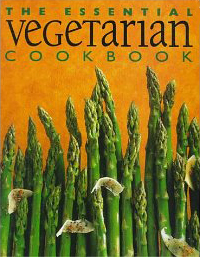
From The Essential Vegetarian Cookbook, here's their list of Hero Foods:


Do you already cook with many of these 'hero' ingredients? 

Are there any that you are excited to work into your repertoire? 

Thursday, August 26, 2010

Peas of Pie vs The Competition

After such a great response to last week's comparison post, we wanted an encore! 

Lets see how our pizza stacks up against the competition (store bought frozen pizza and fast food pizza).


Imagine us taking a bow.


Thursday, July 29, 2010

Orange-Honey Frozen Yogurt


With all the great feedback we've gotten on our hand-shaken ice cream reci-pea, we had to do a fro-yo spin-off!

Here's a wholesome, homemade version of soft-serve for the kids to enjoy this summer, and you won't need an ice cream machine to make it! Using ice, salt and some elbow grease (with your help, of course!), kids can make their own healthy frozen treats this summer. Makes 2-3 servings. Serve with any kind of fresh fruit.

Orange-Honey Fro Yo

  • 1 cup plain yogurt,
    Greek yogurt preferred (non-fat, low fat, or full fat)
  • 2 TBL sugar
  • 1 TBL honey
  • 1/8 tsp vanilla
  • 1/8 tsp orange zest
  • 1 TBL orange juice
  • 2 ice-trays of ice
  • 1/3 cup salt

In a blender or food processor, combine the yogurt, sugar, honey, vanilla, orange zest and orange juice. Blend until smooth.

Place 1 cup of the yogurt mixture in a 1 quart zip-top bag, squeeze most of the air out and seal the bag. Add about 2 trays of ice cubes to a 1 gallon zip-top bag (about 1/3 full) then add 6 tablespoons of salt. Place the small bag of yogurt inside the large bag of salt and ice, squeeze most of the air out and zip the large bag closed.

Wrap in a kitchen towel and hand to a child to shake and squish for about 7 minutes until the yogurt mixture firms up. The more you shake, the smoother the finished frozen yogurt will be. Retrieve the small bag of now frozen yogurt, snip off a corner of the bag, and squeeze out your fro-yo! Top with any fresh fruit.

Friday, July 23, 2010

Substitutions for Baking

Let us save you a trip to the store the next time you have the urge to bake, but find yourself short on one key ingredient. Below are some simple substitutions that will feel like a godsend when they come in handy. Happy baking!

allspice: for 1 teaspoon ground allspice, use 1/4 teaspoon ground cinnamon, 1/2 teaspoon ground cloves and 1/4 teaspoon ground nutmeg.

baking powder: for 1 teaspoon baking powder, use 1/4 teaspoon baking soda, 1/2 teaspoon cream of tartar and 1/4 teaspoon corn starch.


buttermilk: for 1 cup of buttermilk, use 1 tablespoon vinegar or lemon juice plus enough milk to equal 1 cup. Let stand 5 minutes. Alternatively, use 1/2 cup plain yogurt plus 1/2 cup milk.

flour, cake: for 1 cup of cake flour, use 2 tablespoons of corn starch plus enough all purpose flour to equal 1 cup.


flour, self-rising: for 1 cup self-rising flour, use 1 1/2 teaspoons baking powder and 1/4 teaspoon salt plus enough all-purpose flour to equal 1 cup. 


sugar, dark brown: for 1 cup dark brown sugar, use 1 cup firmly packed light brown sugar plus 1 tablespoon molasses. Alternatively, use 1 cup granulated sugar plus 3 tablespoons molasses. 


sugar, light brown: for 1 cup light brown sugar, use 1/2 cup firmly packed dark brown sugar and 1/2 cup granulated sugar. Alternatively, use 1 cup granulated sugar plus 2 tablespoons molasses.

sugar, powdered (confectioners): for 1 cup of powdered sugar, use 1 1/4 cup granulated sugar plus 1/8 teaspoon cornstarch processed in a food processor fitted with a metal blade.


Sources:
* http://www.landolakes.com/tips/Substitutions.cfm

Thursday, July 15, 2010

Shortcut Kefir (Yogurt Drink)


Traditionally, Kefir is a fermented milk drink that is pleasantly tart and slightly effervescent. Here's a simple recipe for making kefir at home. This recipe is very similar to Doogh (pronounced "Doh") from Persia and Ayran from the Middle East.

Shortcut Kefir
-1/3 cup plain yogurt (Greek-style, full fat or low-fat preferred)
-1/3 cup sparkling water
-sprig of fresh mint (optional)
-ice

Crush the sprig of mint and place in a glass. Add the yogurt to the glass, then slowly stir in the sparkling water (if you want a thinner yogurt drink just add more sparkling water). Garnish with a fresh mint leaf.

For a more kid-friendly version, omit the mint and start with a fruit-flavored yogurt like strawberry or peach. 

Wednesday, July 7, 2010

A Little Help in the Kitchen Goes a Long Way

Having help from everyone in the family transforms cooking dinner from a chore into a bonding experience, memories of which will last a lifetime. Plus, lending a hand in the kitchen is a great way to introduce kids of all ages to new foods; even picky children will want to taste the dishes they help make. Get your kids involved in the kitchen with these age-appropriate kitchen tasks:

5 years and under

pick herbs
stem fresh herbs like thyme and rosemary
scrub potatoes

wipe mushrooms
shuck corn
sprinkle cheese
brush garlic butter onto bread
sort out bruised berries

work the salad spinner

taste everything
make butter (*see “Homemade Butter” below)


6-9 years
all of the above, plus:
measure ingredients

help choose recipes

knead dough
stir continuously

crack eggs

wash fruits and vegetables
thread skewers

whisk vigorously
crank pasta machine

assemble salads

layer lasagnas and casseroles
package up extras

set the table

10-12 years

all of the above, plus:

toast nuts
mash potatoes

grate cheese
begin learning knife skills

make croutons


13-18 years

all of the above, plus:
dice onion

mince garlic

make vinaigrette

wash pots and pans
work toward making the whole family dinner once a week


* Homemade Butter
Here’s a great way to not only keep little ones busy as you cook but also allow them to contribute to dinner in their own way. Fill a jar halfway with heavy cream and screw the lid on tightly. Have your child shake the jar and in less than 15 minutes, you’ll have homemade butter. When a ball of butter forms in the jar, pour off the liquid, add a little salt and contemplate additions to flavor the butter. Minced garlic and/or any minced herb work great, but suggest playful combinations like orange-honey butter (+ orange zest & honey) for cornbread muffins or strawberry butter (+ strawberry jam) for buttermilk biscuits and let your child decide!

Sources:
- Dinner at Your Door by Alex Davis, Diana Ellis & Andy Remeis


Thursday, July 1, 2010

$1.00 a Glass!

Support your child's inner entrepreneur this summer by helping their lemonade stand really stick out from the competition! How about infusing plain ol' lemonade with ginger or lemongrass or lavendar? Start with our simple base lemonade reci-pea and offer one or a few flavor additions for passer-byers to customize their lemonade!


Base Lemonade:
This should be slightly concentrated because it will be diluted later with one of the flavor infusions below.

3/4 cup sugar
7 lemons, juiced
5 cups cold water
2 trays of ice cubes

Flavor Infusion(s):
Pour a cup of boiling water over 1 of the following aromatics and let steep 10 minutes. Strain and put in the fridge to chill.

lavender: 1/2 cup dried
ginger: 2 inch piece, sliced into thin rounds, about 12 slices
lemongrass: 3 stalks, bruised, cut crosswise into 1/4 inch rounds
garam masala: 2 Tablespoons
hibiscus tea: 4 tea bags

Assembly:
Start with ice in a cup. Depending on the size of the cup, add 1-2 Tablespoons or more of a flavor infusion and then fill the glass with the base lemonade. Stir and serve.

Thursday, June 24, 2010

Go Beyond the Compost with Us!

Here at Peas, we often brainstorm about even more ways to reduce our personal environmental footprint. We ride bikes to work (at least on days when its not raining), recycle and compost, and bring reusable bags to the market, but we know there are countless other ways to further decrease our impact.

We're collecting ideas and starting to see things come together into a holistic movement. Its beyond recycling and compost; it starts before leaving for the grocery store and ends at the dish rack. It's about creative solutions for getting closer to zero waste at home.

We know we're on to something here but need your help in naming it. Thoughts? Ideas?


(Photo from Zero Waste New Zealand Trust)

Thursday, April 29, 2010

When You Look at an Egg, What Comes to Mind?


"Mmm, tasty."
"Egg drop contest!"
"Foams, emulsions... endless culinary possibilities."
"What happens if I don't cook it all the way?"

We want to focus this blog entry on eggs! Here are a few facts (and theories) about eggs that we find noteworthy.

Nutritional Overview of 1 Large Egg:
Calories: 75 (60 calories from the yolk, 15 calories from the white)
Calories from fat: 45 (% Daily Value)
Fat: 5 grams 8%
Cholesterol: 425 mg 70%
Protein: 6 grams 12%
Vitamin A: 8%
Vitamin B12: 25%
Folacin: 13%
Phosphorus: 11%
Iron: 5%
Riboflavin: 19%

Eggs are highly nutritious!

Safety
The main safety concern with chicken eggs is contamination by the bacteria, Salmonella (the same bacteria of concern when cooking the meat of a chicken).

The shell of an egg provides excellent protection against bacteria entering from outside of the egg. As long as the egg shell is intact, the risk of contamination is very low. To minimize the chance even further, commercial eggs are quickly washed with a sanitizing solution right after they are laid.

A study by the USDA (Risk Analysis April 2002 22(2):203-18) showed that of the 69 billion eggs produced annually only 2.3 million are likely contaminated with salmonella, equivalent to just one in every 30,000 eggs. That means that if four people each eat 2 eggs a week over the course of their entire lifetimes, one of those four people would have a single run in with a contaminated egg, and if that egg was cooked properly, no illness would occur. That's a fairly low risk. (Note that this is not the same in other countries where salmonella cases from eggs are a major concern.)

Storage and Handling at Home
The most prudent approach is to refrigerate eggs, use them within two weeks, cook them thoroughly, and to never consume raw eggs. Although eggs can be kept safely in a home fridge for 4-5 weeks, over time the whites become runnier and the yolks flatter. Thus, fresh eggs are much easier to poach and to separate (white from yolk).

Store eggs in their original container in the coldest part of your fridge. Using the molded rack in the refrigerator door exposes eggs to warm air every time the fridge is opened. The carton also protects the eggs from absorbing any strong odors from other items in the fridge. (Their shells are strong but porous. In addition to gaining odors, eggs lose moisture through their shell. Every egg has a small air pocket inside against the large end of the shell. This airspace grows over time as the egg loses water. The air pocket in a very old egg will be so large that it will cause the egg to float in water. Floating eggs should be tossed.)

Storing eggs large-end up (the way they come in the carton) keeps the yolk centered and away from the air pocket at the large end of the egg.

Just like handling raw meat, be sure to clean anything that makes contact with raw eggs (hands, utensils, surfaces) before preparing other foods, especially those that will not be cooked.

Allergies
Allergies to eggs, especially in infants, are not uncommon. Luckily, if exposure is limited, about 50% of kids with allergies to eggs will grow out of their allergy by age 6. Interestingly, allergic reactions to egg whites are more common than reactions to yolks.

Fun Fact
The difference between brown eggs and white eggs is simply the color of the hen's feathers. Hens with white feathers will lay eggs with white shells; hens with reddish-brown feathers will lay brown eggs. There are no differences in taste or nutrition between white and brown eggs.


Sources:
* Wikipedia
* The Wellness Encyclopedia of Food and Nutrition - UC Berkeley

Thursday, April 22, 2010

Celebrate Earth Day: Make A Birdfeeder from Recyclables


Inspire the whole family to become more concerned about protecting the environment by making a bird feeder from a quart-sized milk or juice carton. Everyone will enjoy watching wildlife up-close right at home. You might want to encourage the kids to keep a diary of the birds that take visit your feeder.

This design protects the bird seed from rain and snow, which is very useful in the winter months when many bird feed platforms become snow covered and unusable.


Materials:
  • milk or juice carton
  • craft knife or scissors
  • wax pencil or crayon
  • ruler or straight edge
  • two small lengths of double-sided tape
  • two bamboo skewers or straight, small diameter twigs to use as perchs
  • bird seed
  • hole punch
  • heavy twine to make a hanger

  • Directions
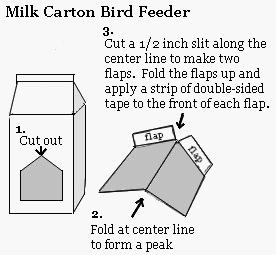
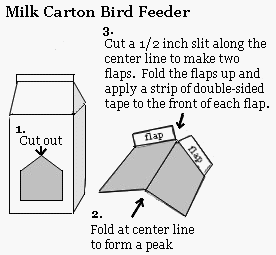
    1. Use the wax pencil and ruler to draw the shape of the opening on the front of the milk carton, as shown in the diagram at right. The opening looks like the outline of a house with a peaked roof. You should allow about two inches at the bottom of the carton to hold a good amount of seeds.

    2. Use the craft knife to cut out the opening. Younger children will need an adult to help with this part.

    3. Using the top of the peak as a center point, fold the piece of milk carton that you just removed in half along its length. Make a half inch cut from the point of the peak down the center fold. Fold up a half inch flap on either side of this cut, as shown in the diagram at right.

    4. Attach a length of double-sided tape to each flap.

    5. Insert this roof piece into the top of the opening and use your fingers to press the flaps against the inside of the milk carton until the double-sided tape holds securely.

    6. Poke a bamboo skewer or thin straight twig through the wall of the milk carton, just below the left side of the opening. Repeat on the right side. Poke skewers all the way through and out the back wall of the carton. This keeps the perches straight and secure.

    7. Use a hole punch or a skewer to punch two holes through the top line of the carton.

    8. Thread twine through the two holes to make a hanger. 9. Fill the bottom of the feeder with nyger seed or a small bird seed mixture. Hang your milk carton bird feeder from a tree branch that you can reach easily when you need to add more bird seed.


    Source:

    Wednesday, March 17, 2010

    Our Brand New Product: A Veggie Pizza That Looks Like Plain Cheese!

    Meet Peas of Pie, a cheese pizza made with real carrots, broccoli and cauliflower kneaded right into the dough! See the specks of broccoli?
    Although more traditional veggies used on pizza (like mushrooms, canned black olives and onions) are certainly delicious, we chose three of the most nutrient-rich vegetables and hid 1.5 servings of these vegetables inside our pizza crust. And yet, Peas of Pie appears to be just a cheese pizza!

    Great for anyone who could stand to eat more veggies, growing kids and adults alike.

    Share your thoughts with us the Peas of Mind Facebook page!


    Thursday, March 4, 2010

    Apple Seeds & Green Potatoes

    What they have in common...

    When a friend of mine attempted to eat an apple core on a hike a few weekends ago, I stopped him. "Don't you know that apple seeds contain cyanide?" I exclaimed. Though I'm not sure he believed me, the possibility alone was enough to discourage him. Had we had any reception, I'm sure 20 seconds on an iPhone would've settled it right then. Ah, the great outdoors!

    It was then that I realized that there must be other seemingly innocuous foods in our diet that could, perhaps under odd circumstances, be potentially harmful to us. This entry is not intended to spook or discourage anyone from eating the following foods. Instead, the hope is to offer a Botany-of-Desire-like perspective to provide an informative look at a few common foods.

    Why Plants Make Toxins
    Many species of plants produce chemicals that discourage animals from eating them. Although we've domesticated varieties of fruits and vegetables to be edible and tasty, some still contain toxins as a natural form of defense. Below are a few examples:

    Cyanide in Apples, Pears, and Citrus Fruits
    The seeds of apples, pears and citrus fruits contain cyanide. However, swallowing the seeds whole isn't terribly risky; these seeds have a durable outer coating designed to protect the seed while it passes through an animal's digestive system. The seeds could be dangerous if ingested in large amounts especially when the protective coating is damaged (by chewing for example).
    • Avoid by: removing the seeds of apples, pears and citrus fruits, particularly before feeding them through a juice extractor (a juicer that obliterates fruit and vegetables). Also, avoid chewing these seeds.

    Cyanide in Yuca
    Yuca (also known as Cassava, Manioc or Tapioca) is a starchy root that grows in the tropics. The "sweet" varieties sold in the produce section have been bred to contain far less cyanide than the potentially toxic "bitter" variety, but still contain significant amounts concentrated near the skin.
    • Avoid by: peeling and then soaking or boiling yuca(cassava) before baking or frying. Luckily, cooking yuca in water makes it healthier but also much tastier.

    Alkaloids in Potatoes
    Alkaloids are a family of compounds that often taste bitter and have an effect on animals. Alkaloids are produced by plants to affect the consciousness of the animals that eat them, effectively distracting the animal and sparing the plant. Though most alkaloids are toxic at high doses, a few common alkaloids that (some) humans utilize include caffeine, morphine, nicotine, theobromine (responsible for increased heartbeat when eating chocolate) and capsaicin (responsible for the spicy burn of hot chili peppers).

    Potatoes contain an alkaloid called Solanine that is both bitter and toxic. All potatoes contain small amounts of Solanine, but potatoes exposed to light can have three times the normal amount. Because the potato turns green (for a completely different reason) when exposed to light, green potatoes should be peeled aggressively or, better yet, thrown out.
    • Avoid by: storing potatoes in the dark and avoiding potatoes that have turned green. Also, note that the leafy stalks of the potato and its relatives, including the tomato, chili pepper and eggplant, contain even greater amounts of alkaloids and should certainly be avoided, though they supposedly taste terrible anyway.

    Oxalic Acid in Rhubarb (and, to a Lesser Extent, Spinach)

    Oxalic acid is a waste product of plant metabolism that is found notably in spinach, beet greens and rhubarb. Oxalic acid locks onto minerals like calcium and iron, preventing your body from absorbing them.

    While the amount of Oxalic acid in spinach and the red portion of rhubarb is safe to eat, the green leaves of rhubarb contain much higher levels making them unsafe.
    • Avoid by: never eating the green leafy tops of rhubarb stalks. Cooking spinach will destroy some of its oxalic acid, rendering the calcium and iron more available for absorption by the body.

    Sources:
    * On Food and Cooking - Harold McGee
    * The Wellness Encyclopedia of Food and Nutrition - UC Berkeley
    * http://www.snopes.com/food/warnings/apples.asp

    Friday, January 8, 2010

    Customize your Cookies

    Everyone likes a little something special, something made just the way they like it, and who doesn't love cookies?! Although most people think baking is a science not to be messed with, we'd like to encourage you to experiment with any old fashioned recipe to get the cookie results that suit your kids' (or your own) taste buds!

    Here are a few tricks that can help you take an old cookie recipe in a new direction and bake experimentally with confidence!


    For Flat, Crispy Cookies:

    • Use butter
    • Replace 1 egg with 3 Tbs milk
    • Use a high ratio of white to brown sugar (i.e., for a combined total of 1 1/2 cups sugar, use 1 1/4 cups white sugar and 1/4 brown sugar)

    For Cakey, Puffy, Fluffy Cookies:

    • Use margerine/shortening
    • Use cake flour instead of all purpose. (If you don't have cake flour, use my grandma's substitution: measure 1 cup all purpose flour, then remove 1 Tablespoon and 1 teaspoon and replace with 1 Tablespoon and 1 teaspoon of corn starch. Viola, you have makeshift cake flour.)
    • Use baking powder in place of baking soda
    • Chill dough before scooping to minimize spreading

    For Moist, Chewy Cookies:

    • Melt the butter
    • Replace 1 egg white with 2 Tbs milk
    • Use a high ratio of brown to white sugar (i.e., for a combined total of 1 1/2 cups sugar, use 1/4 cups white sugar and 1 1/4 brown sugar)
    • *Note: If you're baking any cookie recipe a day or two in advance, using a larger proportion of brown sugar to white will encourage moisture to stay in the cookie, making the cookies seem fresher longer (delaying the staling process).

    So, next time you're making cookies with the kids, it'll be easy to satisfy whatever texture suits their day!


    References: Alton Brown

    http://www.youtube.com/watch?v=ZB-KVveLp3k&feature=related

    http://www.youtube.com/watch?v=FWoN0PtsIIQ

    Friday, June 12, 2009

    Homemade Wheat Thins - YUMMY and healthy!

    Makes 18
    1 1/2 cups fine whole-wheat flour
    pinch salt
    1 tsp baking powder
    1 1/2 cup coarse oatmeal
    3 tbsp granulated sugar
    1 1/2 cup unsalted (sweet) butter, chilled and diced

    Preheat Oven 375F

    Put all ingredients in food processor and process until the mixture starts to clump. Tip out on to a floured surface, gather the dough together with your hands and roll out.

    Stamp out your desired shape using a cookie cutter or other device. Place on an ungreased baking sheet. Bake for 12 minutes until just beginning to color on the edges.

    Leave to cool the transfer to a wire rack to cool completely.

    Thursday, May 28, 2009

    What's Your Favorite Food?

    A classic question to ask a new friend, a new date, even old friends and family. What is your favorite food? I've contemplated a coffee table book that discusses that question alone. I believe you can learn a lot about a person from their response. In addition you would probably end up collecting quite a lot of unique family recipes. Oftentimes, when you allow someone to think really hard about their favorite food, they usually say something along the lines of, "Oh, my mom's lasagna is the BEST!" So, the coffee table book would a compilation of fun recipes along with the personal photos celebrating our favorite foods! Cute right?

    So, what is your favorite food? Send us antidotes, recipes, photos and we'll display them right here on our blog and who knows, maybe one day they'll be a coffee table book too!

    Thursday, May 21, 2009

    Who's Responsible for Food Safety?

    Food Companies Are Placing the Onus for Safety on Consumers

    We are especially concerned about food safety here at Peas of Mind because there are so many families, especially those with children, that are suffering from food related allergies. That's why we created our Peas of Mind FDA Food Recall widget that monitors all food recalls that occur and helps parents stay even more proactive in the concerns of potential health hazards. Download for free here: www.peasofmind.com/widget

    A good friend of ours who owns Healthy Living in Burlington, VT passed this interesting article along to us. http://www.nytimes.com/2009/05/15/business/15ingredients.html?adxnnl=1&adxnnlx=1242918383-UCOWGykW9KUQ80zMUBUb4w

    The article states that the consumer still has to be sure to closely follow cooking directions especially with frozen foods, because even though most frozen meals are already cooked, there is still a "kill step" that should occur once the meal is taken home. (The kill step is when you cook food to a certain degree to kill harmful food borne bacteria.)

    Although it's debatable at times to know exactly where to place blame concerning food safety issues, it was very interesting to read this part of the article:

    "General Mills, which recalled about five million frozen pizzas in 2007 after an E. coli outbreak, now advises consumers to avoid microwaves and cook only with conventional ovens. "

    After some research, I was unable to find any information that would indicate that there would be any reason why cooking in the oven vs. the microwave would make food more safe to eat. In fact, there are sources saying that microwave cooking isn't as bad as we thought, it doesn't deplete vitamin levels as much as previously indicated for example.

    So, why is General Mills asking you to bake your pizza in the oven vs. the microwave? Here's my theory... It's all consumer psychology, General Mills knows that the general consumer, once told that they have to put something into the oven is going to have their expectations set to be waiting longer for their meal. This means they'll take more time to be sure that the food is cooked all the way through. If a consumer is putting something into the microwave, they want it to be quick and may consider eating it before it's really fully cooked.

    Another quote from the article:
    "The problem is particularly acute with frozen foods, in which unwitting consumers who buy these products for their convenience mistakenly think that their cooking is a matter of taste and not safety."

    If you have an opinion, let us know!!